
It can be said that smart home technology has evolved in leaps and bounds and has completely changed the methods of cleaning inside homes. This has been made possible through the invention of robotic vacuum cleaners. There have been high demands for these robotic vacuum cleaners in houses because of changing lifestyles and other factors such as urbanization and technology. This article tells the state of the market and other factors surrounding it.
Introduction to Residential Robotic Vacuum Cleaners
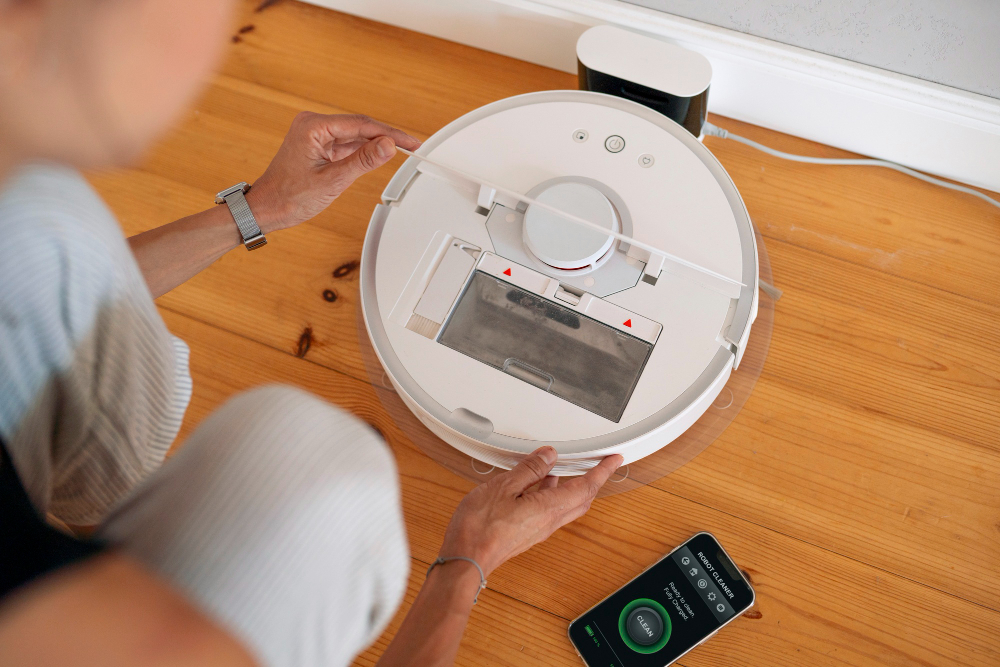
Robotic floor cleaners are self-operating machines that function on floors without much human involvement. These devices have sensors, maps, and navigation features that make them an essential component of the smart home domain. Robotic floor cleaners were once considered luxurious toys but have since found themselves useful in households. Their capability to operate on their own, interface with applications, and work with varying floor surfaces is one reason for their popularity in the modern world.
Regional Trends
- Asia Pacific Region leads in terms of market dominance with a large revenue share and is predicted to be a crucial contributor to future growth
- Nations including India and China are experiencing fast adoption of IoT solutions owing to higher income levels and urban population growth
- North America and Europe have maintained high demands due to their growing preference for smart homes.
- Key Growth Drivers
Several elements have positively contributed to the growth of the robotic vacuum cleaners for residential purposes industry:
- Higher levels of urbanization and smaller housing sizes
- Demand for more efficient cleaning
- Increase in the usage of smart home gadgets
- Awareness about hygiene and cleanliness
- Technological innovations
In countries like India, there has been a compound annual growth rate of 20% to 25%, mainly because of lifestyle modifications and lesser reliance on housemaids.
Technological Advancements and Key Features:
There have been enormous innovations in robotic vacuum cleaners from the day they were invented. The modern models employ cutting-edge technologies.
- Intelligent Navigation and Mapping
High-end navigation systems form the foundation of robotic vacuum cleaners today. They consist of:
- Light Detection and Ranging technology
- Camera-based mapping systems
- Real-time obstacle detection
- Artificial Intelligence and Machine Learning
Artificial intelligence makes it possible for us to have robotic vacuum cleaners that:
- Learn about room layouts with time
- Identify high-traffic areas
- Adjust their cleaning schedules according to the user’s actions
Some modern developments involve the inclusion of robotic arms and more sophisticated object recognition techniques in robots.
- Smart Connectivity and App Control
Most contemporary gadgets provide smooth connectivity via:
- Smartphone applications
- Smart speakers like Alexa or Google Home
- Scheduling and remote operation features
The addition of such capabilities enhances the usability aspect and contributes to the ecosystem of a smart home.
- Self-Emptying and Automated Maintenance
An important innovation here is the emergence of:
- Self-emptying dustbins
- Automatic charging and resume functions
- Mop-washing and drying systems
There are some robots that function for weeks without any assistance from humans at all.
- Multi-Surface Cleaning and Hybrid Functionality
Modern robots are made in such a way that they clean different types of surfaces like:
- Hardwood floors
- Tiles
- Low- to medium-pile carpets
Hybrid bots can be used for vacuuming and mopping.
Consumer Adoption Trends
- Growing Acceptance Across Demographics
Robotic vacuum cleaners have been accepted among all consumer groups, surpassing technologically inclined consumers. The major demographics include:
- Professionals living in metropolitan areas who value convenience
- Two-income families with little time to complete household chores
- Pet owners dealing with hair and allergies
- Older consumers in need of help with day-to-day activities
About 28 percent of homes in urbanized societies possess robotic vacuum cleaners, demonstrating substantial adoption rates in highly digitalized societies. Market surveys suggest that there is already a considerable number of homeowners possessing robotic vacuum cleaners, with more considering their purchase in the foreseeable future.
- Influence of Pricing and Accessibility
Though robotic vacuums were expensive at first advances in technology and competition have made them more:
- Affordable in their lower-priced versions
- Available via online marketplaces
- Varied within different price categories
This has made sure that robotic vacuums are available to a larger portion of the market.
- Role of E-Commerce and Direct-to-Consumer Channels
Online selling has become significant for expanding the market. Companies have begun to use direct-to-consumer marketing techniques to:
- Improve product availability
- Offer customized services
- Enhance after-sales support
This has been seen especially in developing economies such as India.

Challenges and Market Constraints:
Even with its fast development, the robotic vacuum cleaner industry still encounters various issues such as:
- Performance Limitations
Nevertheless, some limitations include:
- Low efficiency in cleaning carpets with a high pile
- Difficulties maneuvering around complicated floor plans
- Insufficient capability for deep cleaning
- Maintenance and Battery Life
Some consumer gripes include:
- Deterioration of batteries over time
- Maintenance requirements
- Replacement part costs
- Privacy and Data Security Concerns
As there is increased connectivity in robotic vacuum cleaners the problem of privacy is gaining prominence. The robot is known to collect information from within households using its cameras and sensors.
Competitive Landscape
The market for robotic vacuum cleaners for residential purposes faces intense competition where some firms are driving innovation. Some of the companies are:
- iRobot Corporation
- Xiaomi
- ECOVACS Robotics
- Samsung Electronics
- Dyson
The stiff competition in the industry arises from:
- Rapid technological innovation
- Frequent product launches
- Increasing focus on differentiation through advanced features
The companies are spending a lot of money in research and development for gaining competitive advantage.
Emerging Trends Shaping the Market:
- Integration with Smart Home Ecosystems
Robotic vacuums are becoming more interconnected with:
- Smart home hubs
- IoT-enabled devices
- Home automation systems
Such integration improves interoperability and ease of use.
- Development of Multi-Functional Robots
The future direction for the residential robotic vacuum cleaner industry is towards multi-functionality. Next-generation robots can perform the following functions:
- Cleaning multiple surfaces
- Moving small objects
- Performing additional household tasks
- Sustainability and Energy Efficiency
Efforts in this regard have been made by manufacturers in the following areas:
- Energy-efficient designs
- Eco-friendly materials
- Reduced power consumption
These trends are indeed in line with rising levels of environmental awareness amongst consumers.
Role of Market Research and Industry Insights
It is important to understand industry trends and consumer behaviors through the use of market information. The analysis of market trends and developments in the residential robotic vacuum cleaner market can prove very helpful for decision-making purposes.
Future Outlook
The future market for residential robotic vacuum cleaners looks extremely bright with advancements expected to take place in:
- AI-driven automation
- Navigation accuracy
- Energy efficiency
- User experience
In addition to improvements in technology it is also expected that the use of robot vacuums will increase because of the higher level of efficiency and sophistication offered.
The residential robotic vacuum cleaner market today is experiencing considerable transformation as a result of advances in technology and shifts in preferences. As per Pristine Market Insights, there is a lot of hope for the future due to developments in the sector and therefore, the future of the industry looks bright. Although the concern of price and privacy issues still remains relevant, further developments and competition should take care of the issues mentioned. In view of this, it can be stated that the role of robotic vacuum cleaners in the lives of modern people will only grow from year to year.