

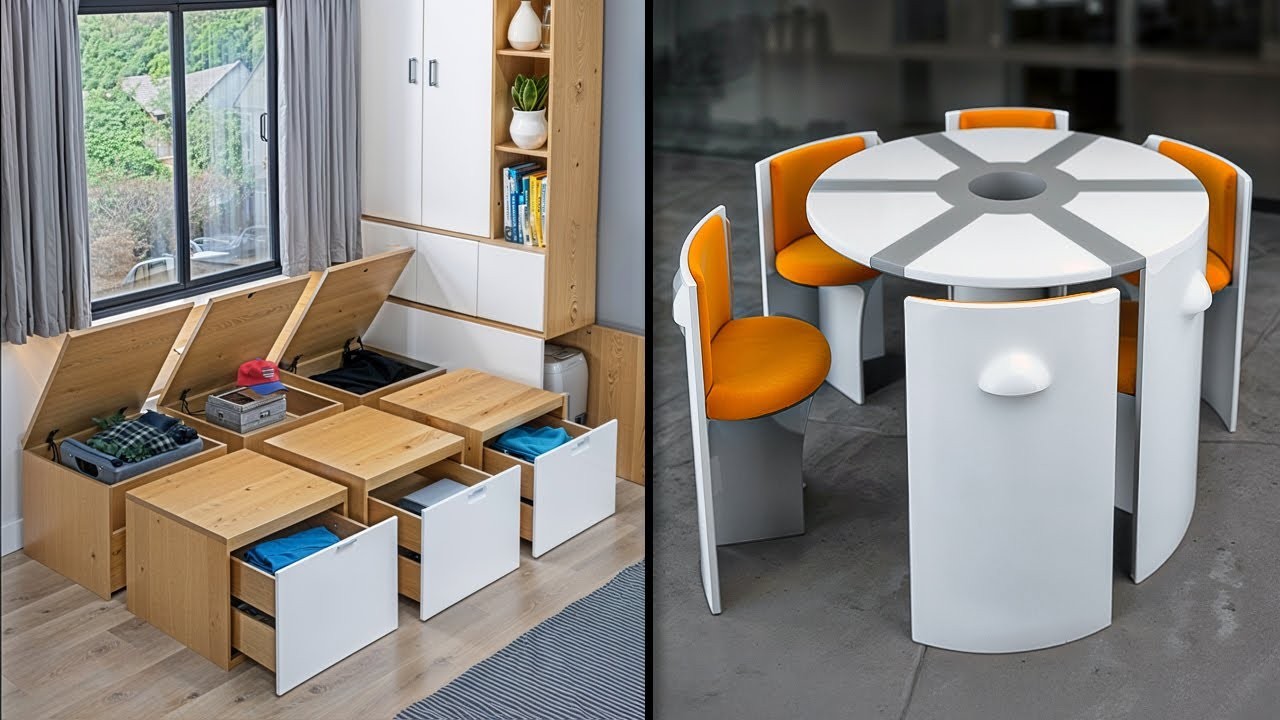
Artificial intelligence (AI) now combines with home and office spaces to create a new type of furniture called smart furniture which combines three essential functions as well as providing users with wireless connections and versatile functionality. Smart furniture exists as an advanced type of furniture which operates through built-in sensors and machine learning as well as Internet of Things technology to track how people use the space and how their surroundings change.
The furniture industry undergoes a digital transformation which enables furniture items to function as active tools that improve user experience through better comfort, higher productivity and enhanced accessibility. The smart furniture market has expanded because of multiple trends which include the development of smart home systems, the creation of customized living spaces and the rising requirement for user-friendly technological environments.
Understanding Smart Furniture in the AI Era
Smart furniture refers to traditional furniture which incorporates advanced technologies including artificial intelligence and sensors as well as Internet of Things (IoT) connectivity. The furniture uses these features to create responsive systems which optimize user comfort while working with other smart technology.
AI powered smart furniture sets a differential standard as opposed to ordinary conventional furniture.
- The system needs to learn user preferences through its operations.
- The system needs to control all changes through its automated systems.
- The system needs to deliver immediate health and productivity updates to users.
- The system needs to connect with all components of smart home environments without interruption.
In this case, the importance of furniture can be regarded as a key factor in making intelligent homes rather than just a part of designing a house.
Growth and Dynamics of the Smart Furniture Market
The smart furniture market keeps growing because cities expand and people have more disposable income and smart home technology adoption increases resulting in higher demand for smart furniture.
Key factors contributing to this growth include:
- Diminishing Living Spaces: The declining standards for space have increasingly led to a clamor for attractive, functional furniture items that are acceptable for multifunctional spaces.
- Hybrid work culture: The hybrid work model has created a greater demand for home office furniture which provides both ergonomic support and technological features.
- Consumer lifestyle changes: Consumer lifestyle changes have created a demand for products that offer both automated functions and personalized experiences.
The technology is driving innovation which helps create efficient adaptable solutions used in urban residential and commercial spaces.
Key Applications of AI in Smart Furniture
- Adaptive Ergonomics and Health Monitoring
The AI-powered chairs and desks automatically adjust their height and posture and support functions based on user interactions. Some systems use sensors to monitor sitting patterns which enable them to deliver feedback that helps users maintain better posture while minimizing health risks.
- Smart desks with height adjustment memory
- Chairs with posture correction alerts
- Beds with sleep tracking and biometric monitoring
These feature events however, correlate well with the increased importance of workplace well-being as a precursor to productivity.
- Personalized Living Experiences
AI enables furniture to adapt to an individual’s preference. For instance:
- Change bed firmness and temperature based on how light a person is sleeping
- Sofas remember preferred seating positions
- Alter setting with furniture; light affects furniture on detection of mood
Such personalization increases relaxation and provides a tailored living entrance.
- Integration with Smart Home Ecosystems
Smart furniture is often part of a larger connected ecosystem allowing it to sync with:
- Voice assistants
- Smart lighting and climate systems
- Entertainment devices
Collaboration would increase convenience and efficiency to the fullest extent as all devices can be manipulated through single/dual interfaces.
- Energy Efficiency and Sustainability
An AI algorithm which uses your favorite materials to colour the lighting, handles your furniture to suit your specific preferences.
- Automatic setting of room temperature leads to more efficiency.
- Climate-responsive furniture is smart enough to adjust to different temperature levels that work for everyone.
Rising demand for these features are carrying forward within the smart furniture market mindful of sustainable living.
Technological Foundations Enabling Smart Furniture
AI, incorporated in furniture, relies upon certain underlying technologies.
- Machine Learning Algorithms: Given these benefits, deployment of AI like text seems very important.
- Sensor Technology: Collects data on motion, heat and usage patterns.
- Cloud Computing: Facilitates data storage and real-time processing
- IoT Connectivity: Links furniture with other smart devices
The combination of these technologies creates intelligent environments which people commonly call smart spaces because artificial intelligence improves their comfort levels and their automatic operations and their energy-saving capabilities.
Benefits of AI-Integrated Furniture
There are many reasons why smart furniture is now being adopted at a growing rate:
- Enhanced Comfort and Convenience
All the more reason why one can spot the modifications due to AI: so that even daily chores can go smoothly without fumbling.
- Improved Productivity
During the collaboration, individuals and groups were vigilant in terms of keeping the scene framed festively for the party.
- Space Optimization
Multifunctional furniture presents an innovative solution combining many functions in one compact unit due to increased urbanization and limited living space.
- Data-Driven Insights
The information collected from users shall assist them in understanding their habits. Better food choices will help people to improve their eating habits.
Challenges and Considerations
Smart furniture systems will gain operational enhancement through the application of ergonomic design but this development will also deliver improved user comfort when artificial intelligence and tracking technology operate the systems.
- High Initial Costs: Advanced features often increase product prices
- Privacy Concerns: Date collection raised many pertinent concerns on security and user consent.
- Technological Complexity: Maintenance and compatibility issues may arise
- Limited Consumer Awareness: There is a considerable number of users, who understand the value of functionality, but are unlikely to fully understand how AI operates.
Addressing these challenges is key to the sustained growth of the smart furniture market.
Future Trends in Smart Furniture
The future of smart furniture will progress through two main developments which include deeper AI integration and improved user interaction capabilities. Emerging trends include:
- Predictive Intelligence: Furniture anticipating user needs before manual input
- Voice and Gesture Control: More intuitive interaction methods
- Modular and Transformable Designs: Furniture adapting to different uses in real time
- Integration with Augmented Reality (AR): Purchasing before conceptualization of layouts of probable settings is considered reckless borrowing of money.
Purchasing before conceptualization of layouts of probable settings is considered reckless borrowing of money.
According to Pristine Market Insights, smart furniture represents a significant shift in how individuals interact with their living and working environments. Through the combination of artificial intelligence with common objects, furniture has transformed into an intelligent system which improves user comfort and work effectiveness and environmental sustainability.
The smart furniture market experiences rapid growth because consumers demand products which can connect with their modern adaptive needs. The ongoing technological progress and rising consumer knowledge will lead to increased adoption of products which still face challenges with their pricing and security measures. The design field now experiences a fundamental change which will determine how people create indoor environments through their use of artificial intelligence with furniture design.
Author Bio:
Sandhya Jadhav is a research analyst specializing in emerging technology and smart living solutions. She focuses on AI-driven innovations shaping modern lifestyles, including smart furniture and connected home ecosystems. Sandhya delivers data-backed insights on market trends, helping readers understand the impact of intelligent design on everyday living and future homes.