

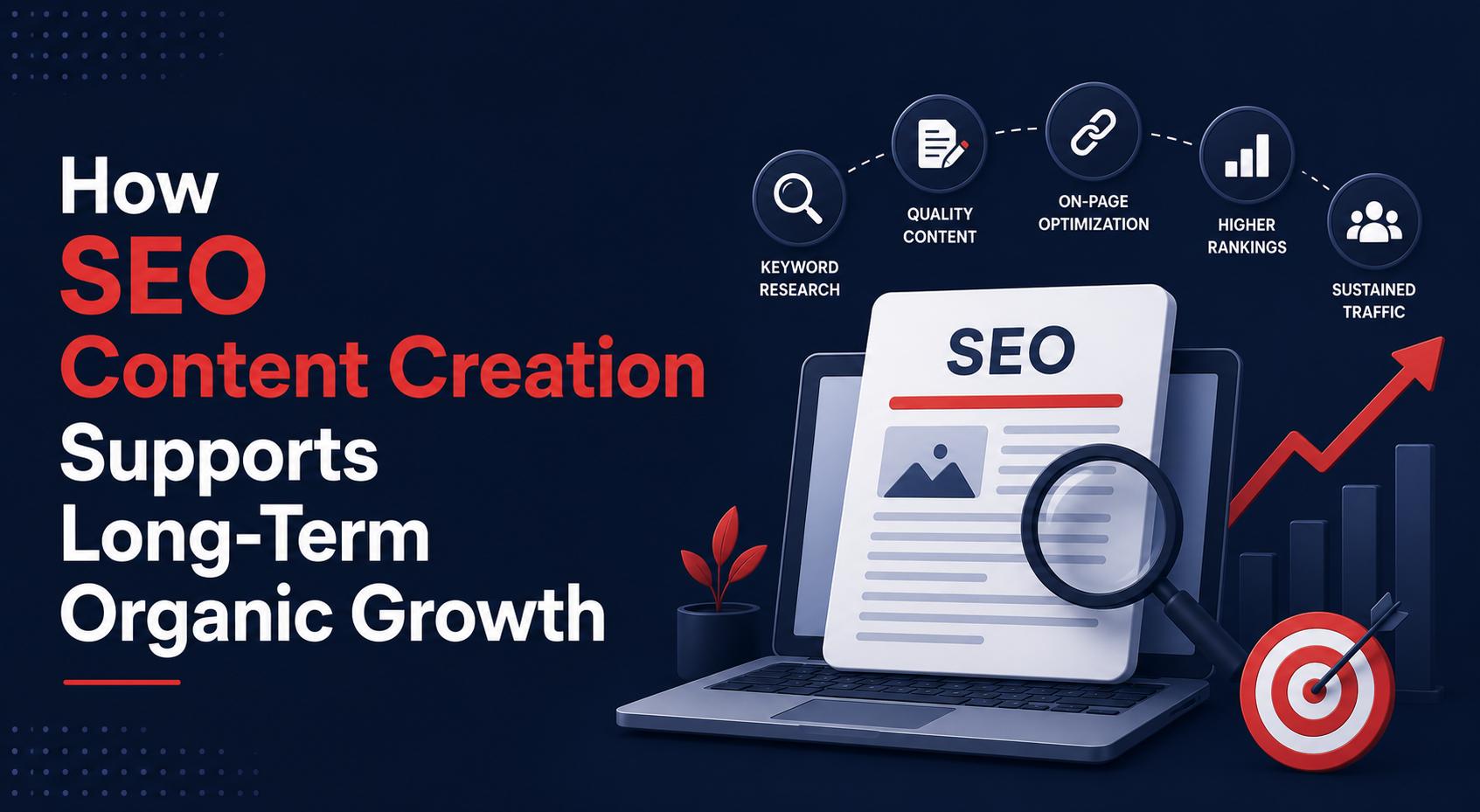
Organic growth does not happen by accident. It is usually the result of steady editorial discipline, a clear point of view, and content that answers a real commercial need. That is where SEO content creation earns its place. It is not just about ranking a page – it is about building a searchable asset that keeps attracting the right audience, month after month, while strengthening trust in the brand behind it.
The Shift From Volume to Value
For a long time, many websites treated search content as a numbers game. Publish more, cover more keywords, and hope the traffic follows.
That playbook has lost much of its force. Search systems are now far better at identifying content that exists only to attract clicks, and they are much more willing to reward content that feels genuinely useful, original, and complete.
Google’s recent guidance is blunt on this point – content that performs well in search should be unique, satisfying, and built for people first.
That change matters because it resets the standard. A blog is no longer a disposable post. It is part of a larger organic system – one that helps a brand to show up, stay relevant, and remain credible long after a campaign ends.
Why Organic Growth Compounds Over Time?
Paid traffic can create momentum but it stops the moment the budget stops. Strong editorial content marketing behaves differently. It compounds. A single well-built article can continue to attract visitors, earn links, support internal navigation, and shape how a company is understood in its market.
This is the real promise of SEO content creation – it creates an asset base instead of a stream of one-time visits.
Here is why that matters:
- It keeps working after publication. A useful article can bring in traffic for months or years if it is maintained properly.
- It supports multiple stages of the buyer journey. Early research, comparison, and final decision pages all need different kinds of content.
- It strengthens the site as a whole. One strong page can support related pages through internal links and topic depth.
- It gives sales and brand teams better material. Good content is not just searching – it also sharpens how the company explains itself.
- It reduces dependence on a single channel. When organic search is healthy, the marketing mix becomes less fragile.
That is why companies that treat organic content marketing as a long-term asset tend to see better consistency in growth than those that treat it as a short-term output.
Search Behavior is Changing, and Content Has to Follow
The way people search is no longer limited to short keywords and static blue links. Search is becoming more conversational, specific, and answer-driven.
In 2025, Google said its AI search experiences are built around longer, more detailed questions and follow-up questions. It also emphasized that content should be unique, non-commodity, and easy to access technically, with strong page experience remaining important.
The message is hard to miss – search is expanding, and brands now need content that performs in both classic search and AI-led discovery.
For content teams, this changes the brief in practical ways:
- Answer the question quickly, then expand with useful detail
- Write in a way that is easy to quote, summarize, and understand
- Use clear topic structure so the page is easy to scan
- Keep language specific rather than broad and padded
- Include proof, examples, and original insight instead of generic filler
This is also why thin keyword pages are fading. They may still get indexed, but they rarely hold attention.
How SEO Content Creation Supports Long-Term Organic Growth?
- It builds discoverability around real intent
People do not search only for your brand. They search for problems, comparisons, definitions, risks, and outcomes. A strong content plan matches those intent layers with the right page type. That means one article might educate, another might compare options, and another might help close the gap between interest and action.
When content is mapped to intent properly, the site becomes easier to find and trust.
- It creates topical authority
Search engines look for depth, not just coverage. If a site publishes one useful content piece and then stops, the gain is limited. But when related pages are built around a topic cluster, the site starts to look like a serious source. That is where SEO content creation has a long-term effect – each piece reinforces the others.
This is especially important in categories where trust matters. Buyers rarely make decisions after reading a single page. They move through a sequence of questions. Good content should anticipate that sequence.
- It improves brand memory
Organic traffic is not only about clicks. It is also about recall. When a company repeatedly publishes clear, well-structured, practical content, it becomes easier to remember and recommend. That matters in markets where products and services look similar on the surface.
A strong publish can quietly do brand work in the background. It signals competence without having to announce it.
- It supports conversion without sounding forceful
The best content does not push too hard. It earns attention, then reduces friction. It helps a reader understand a problem more clearly and see a solution more confidently. That is one reason why SEO content writing remains valuable even as search changes – people still reward clarity, usefulness, and good judgment.
- It strengthens the entire site architecture
Organic growth is not built on isolated pages. It depends on how those pages connect. Internal links, topic clusters, and updated cornerstone pieces make it easier for both users and crawlers to understand the site. A disciplined content structure improves the experience for readers and the visibility of the site at the same time.
What Strong SEO Content Looks Like Now?
Good content in 2026 looks different from the keyword-heavy writing that used to pass for SEO. It usually has these qualities:
- A clear angle. The page should say something specific, not repeat what every other article says.
- A useful structure. Headings should guide the reader through the argument, not just break up the text.
- A direct answer early on. Search and answer engines both reward content that gets to the point.
- Original perspective. A viewpoint, framework, or example gives the page value beyond summary writing.
- Evidence without clutter. One or two well-placed data points are usually enough – overloading the page weakens it.
- Regular refreshes. Content that reflects current search behavior and market changes tends to stay relevant longer.
- Technical clarity. Fast loading, clean formatting, and accessible indexing still matter.
The direction is clear – useful content wins when it is easy to read, understand, and trust. Google has said as much in its guidance around helpful content, page experience, and AI search performance.
A Practical Framework for Durable Growth
A serious content program does not begin with a list of keywords. It begins with the questions the market keeps asking.
A stronger approach looks like this:
- Start with commercial intent. What are people trying to solve before they reach out, compare vendors, or make a decision?
- Build clusters, not loose posts. Group content around a theme so each article supports the next one.
- Write for scanning and depth at the same time. Busy readers should find the answer quickly but there should also be substance beneath the headline.
- Refresh older assets. A useful article should evolve as search behavior, language, and expectations change.
- Use one editorial standard across the site. That is where SEO content writing and content strategy services begin to work as a system rather than as separate tasks.
This approach is less glamorous than chasing trends but it produces more reliable results. It also creates a cleaner bridge between content, brand, and growth.
Conclusion
When content is done well, it becomes part of the company’s infrastructure. It helps the brand speak with more authority and convert interest into action without relying on constant paid pressure. It also gives the business a cleaner voice in a crowded market. That is the larger value of SEO content creation. It is not a content exercise alone. It is a growth discipline.
And in a market where AI search, answer engines, and shifting user behavior are changing how people discover information – that discipline matters even more. Brands that publish with precision, maintain their pages, and focus on usefulness will keep earning visibility. The ones that rely on volume and repetition will keep losing ground. The content has to inform, support the brand, and remain useful after publication. That is where long-term growth starts.