

Introduction: Personalization Has Reached a New Intelligence Level
Digital marketing personalization is not just adding a customer’s name to an email subject line or serving “recommended products” based on last week’s browsing behavior. It’s 2026, and “Personalization has matured into a real-time AI-driven experience engine that follows the user in an instant, on every device, platform, moment of intent.
AI has become the bedrock of digital marketing in today’s day and age. Where it uses behavior patterns to predict intention, automating decisioning providing hyper-relevant content right when the user is most likely to spend. In 2026, consumers anticipate that brands don’t need to ask them who they are and what they want to know: AI is the way that’s done.
In this article, we look at how AI is changing digital marketing personalization in 2026, the tech stack that’s powering these changes, use cases in action across channels, and what businesses today—especially eCommerce brands—need to do to remain competitive in this AI-first world.
1. Rule-Based to Predictive Personalization
Then vs. Now: A Major Shift
Before the rise of AI in marketing, personalization simply depended on static rules:
- If the user comes to the product page → display related products.
- If abandoned car → reminder mail.
- If normal user: From country X → Display currency Y
It worked to some degree, but there was no context, timing, or emotional intelligence.
AI-Powered Predictive Personalization in 2026
2026 AI has no time to wait for actions — it predicts them.
Modern AI systems analyze:
- Browsing speed and hesitation patterns
- Mouse movements and scroll depth
- Daytime and apparatus setting
- Past purchase cycles
- External signals (seasonality, trends, demand spikes)
Based on this, AI predicts:
- What a user wants next
- When will buy
- What sort of commands will be most effective (text, video, push, voice)
This kind of ability to anticipate is what will enable us as marketers to shift from reactive personalization to proactive engagement.
2. Hyper-Personalization While Scaling: A User, a Journey
The End of “Audience Segments”
The “men aged 25–34” type of audience segments are losing relevance in 2026. Segments of one are now made by AI.
Each user experiences:
- A unique homepage layout
- Dynamic pricing or offers
- Personalized navigation paths
- Customized checkout experiences
This is called hyper-personalization, and AI makes it scalable — even for shops with millions of users.
Example: e-commerce in Action
An AI-driven eCommerce platform can:
- Show users different images of your product
- Alter CTA text to match user intent
- Offer flexible payment methods dynamically
- Emphasize trust signals based on user behaviour in a different way
And with solutions such as the Prestashop admin mobile app, shop owners can access and update these insights in real time – right at home or on the road.
3. AI-Driven Customer Data Platforms (CDPs)
Unified Customer Profiles
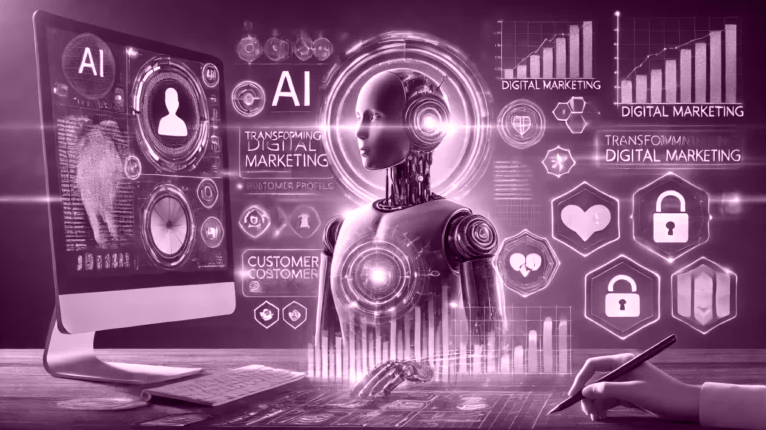
AI has fundamentally changed the way that customer data is gathered and analyzed. Rather than departmentalised data sets from email, ads, website, and CRM that collect dust as they age, AI-driven CDPs now produce a single source of truth in the form of living customer profiles.
These profiles include:
- Behavioral data
- Transaction history
- Content preferences
- Communication preferences
- Predicted lifetime value
AI then constantly refreshes these profiles over time, ensuring personalization is both real time and based on the most accurate information.
Privacy-First Personalization in 2026
With the tightening of data privacy laws around the world, the task of AI personalization has moved more towards:
- First-party data
- Zero-party data (user-provided preferences)
- Context-sensitive signals, not intrusive tracking
AI models are being trained with personalization, having privacy while not compromising their relevance.
4. AI in Content Personalization: Right Message, Right Format
Dynamic Content Creation
In 2026, it’s not just that AI determines content: It authors and modifies that content.
AI systems can:
- Rewrite product content for different user intents
- Generate multiple ad creatives automatically
- Let tone (formal, friendly, urgent) be treated by user
- Translate and localize content instantly
This enables brands to have their cake and eat it too, with consistent messaging that is also personalized to the individual at scale.
Personalized Visual and Video Content
AI now personalizes:
- Thumbnails
- Video length
- Voiceovers
- On-screen text
A returning customer might be shown a brief reminder video, for instance, while a new visitor gets an explainer video — all automatically decided by AI.
5. AI-Powered Email, Push, and Messaging Personalization
Beyond Subject Lines
Email personalization in 2026: far more than names and product recommendations.
AI optimizes:
- Send time per individual
- Email length and layout
- CTA placement
- Frequency to avoid fatigue
Also, push and in-app messages are sent based on real-time behavior signals, not timing-based.
Smart Automation for Store Owners
AI automation is seamlessly plugged into the operational armamentarium for eCommerce managers. With solutions such as the Prestashop admin mobile app, a store owner could:
- Review AI-suggested campaigns
- Approve automated promotions
- Monitor engagement performance instantly
- Pause or change strategies on the fly
This level of control will allow automation to be strategic vs. blind.
6. Conversational AI and Personalized Customer Interactions
AI Chatbots are now Language-driven Digital Sales Assistants
This is the future of AI chatbots in 2026, and no longer dumb, scripted FAQ bots. They function as:
- Personalized shopping assistants
- Customer support agents
- Upselling and cross-selling tools
These bots know context and sentiment, and they have human like dialog with users.
Omnichannel Consistency
Whether a user interacts via:
- Website chat
- Instagram DM
- Voice assistant
AI keeps the dialogue flowing smoothly, recalling preferences and previous interactions.
7. AI and Real-Time Personalization for Paid Advertising
Smarter Ad Targeting Without Cookies
Now, with third-party cookies going the way of the dinosaur, AI is leaning on:
- Contextual targeting
- Predictive modeling
- First-party behavioral insights
Ads in 2026 are dynamically personalized at the moment of display according to:
- Page context
- User mood signals
- Purchase readiness
AI automatically adjusts:
- Creative elements
- Ad copy
- Landing page experience
Outcome: increased ROI with reduced ad fatigue.
8. Checkout and post-purchase experience powered by AI
Checkout Optimization Through AI
The checkout is one of the most important points for personalization.
AI optimizes:
- Form fields using user history
- Payment method suggestions
- Trust messaging placement
- Shipping options
For instance, the returning users see a streamlined checkout but get reassurance content, and new users receive it.
The managers can monitor checkout performance and the AI recommendations in dashboards synchronized with tools like the Prestashop admin mobile app, so that optimization can be made quickly.
Post-Purchase Personalization
AI extends personalization and service after the purchase:
- Personalized thank-you messages
- Tips for using by product type
- Smart reorder reminders
- Loyalty rewards tailored to behavior
This is how you create long-term customers, not one-off sales.
9. Measuring Personalization Success with AI Analytics
Vanity Metrics to Behavioral Intelligence
In 2026, AI analytics are:
- Engagement depth
- Intent progression
- Customer lifetime value
- Micro-conversion tracking
AI tells us more than simply what was clicked on; it explains why users are doing whatever they’re doing, and how to respond.
Actionable Insights for Decision-Makers
It doesn’t just relay information; AI suggests what to do.
- Which personalization strategy to scale
- Which segment needs attention
- Which campaign to pause
Many insights are now mobile-enabled, and dashboards place the data right in front of a business owner so they can stay on top of things and keep in touch with their business.
10. Challenges and Ethical Considerations
AI personalization is incredibly powerful, but with great power comes great responsibility.
Key Challenges:
- Avoiding over-personalization that feels intrusive
- Ensuring transparency in AI decisions
- Preventing algorithmic bias
- Maintaining human oversight
The brands that succeed in 2026, hence, will be those that strike the right balance between automation and authenticity.
In conclusion, Personalization Today is an AI-Powered Expectation
There are no more years until 2026 where personalized digital marketing is a can-off-play — it’s sorry, not even table stakes by then. Consumers expect that brands will know what they want, respect their privacy, and deliver value in the moment.
AI is the enabling technology:
- Predicting intent
- Personalizing journeys
- Automating decisions
- Enhancing customer experience across touchpoints
AI-Powered Personalization for eCommerce Companies, including those relying on a platform such as PrestaShop – and optimizing it effectively through means like the PrestaShop admin mobile app – has become key in maintaining steady growth and necessary agility over the long term.
The future of digital marketing is for brands that don’t collect data; they turn it into purposeful and personalized experiences.