
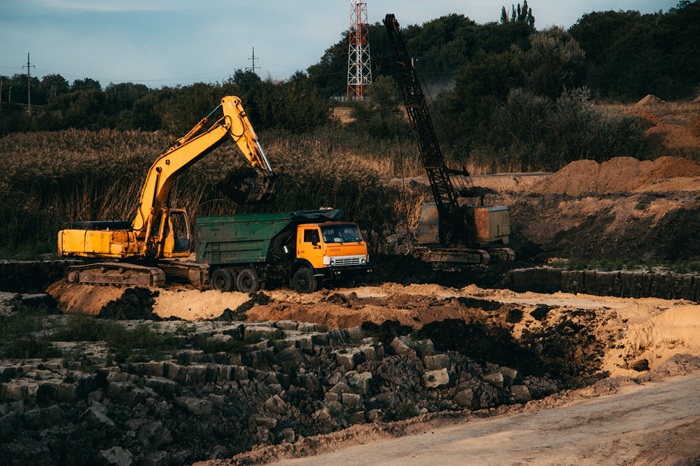
Apart from being unseen, mining has long pushed advancement forward by extracting materials beneath the surface – materials that give rise to structures, devices, even electricity networks. Iron, copper – now also lithium and rare earths – form invisible threads woven into almost everything we build. Change creeps in, though, slow but steady. Pressure grows from nature’s limits, new tools emerge from labs, while hunger for key metals climbs. Driven by cleaner ambitions and smarter machines, mines today look less like yesterday’s brute-force digs. Forward isn’t optional; staying put means fading out. Evolution isn’t coming – it’s already digging deeper.
Rising Need for Essential Minerals
What’s reshaping mining lately? Heavy demand hits specific minerals now. With global shifts toward cleaner power and electronic devices, substances such as lithium, yet cobalt, along with nickel and rare earth elements ramp up sharply. Inside EV battery units they sit. Turbines spin using them. Solar setups include these materials too. Even common electronics hide them deep within circuits. Their role isn’t flashy – just vital. Without them, modern green tech simply stalls. Demand climbs, so does pressure on extraction methods. Old mines adapt, new ones emerge. Each gadget charged or car powered pulls more from the ground. Not much fanfare, just a steady pull. Digging deeper becomes unavoidable.
Not far off, national leaders aim at zero carbon goals – prompting miners to hunt fresh deposits more aggressively. Because clean power grows urgent, efforts tilt toward homegrown metals instead of relying on foreign supplies. Over time, one outcome stands clear: tools for finding ore will draw heavier backing, along with launching digs in untested regions. Soon enough, the ground beneath may see more eyes, machines, and stakes than before.
Automation and Smart Mining
Out in the fields, machines now roll without drivers, handling hauls once done by hand. Drills now move without people, thanks to clever updates that let them follow sensor signals. When machines handle dangerous jobs below ground, fewer humans face harm. Efficiency climbs when gear works nonstop, powered by code rather than fatigue.
Out there in the mines, tech like artificial intelligence and smart sensors keeps things running without constant human checks. When machines talk to each other through IoT links, small issues show up early – this means less waiting around for repairs. Picture a drill knowing it’s about to fail, then signaling for help on its own. Learning algorithms study rock patterns deeper than old methods ever could. Spotting valuable minerals becomes less guesswork, clearer signal in the noise. Precision rises when data does the digging first.
Out here, remote operations centers are catching on fast. From one spot, teams run several mines at once – cutting down on people working in dangerous spots while keeping everything better connected. Coordination gets easier when screens replace long commutes underground.
Sustainability and Environmental Responsibility
Facing heat from watchdogs, shareholders, and towns nearby, drillers now push harder on green choices. Land scars, poisoned streams, fumes into the sky – those mark what digging deep leaves behind. Because of this mess, firms scramble to clean up routines, not just talk. Pressure builds when rules tighten, voices rise, eyes watch closer.
Out in the desert, solar panels now stretch beside dig sites where machines run on sunlight instead of diesel. Wind turbines rise near processing plants, feeding clean electricity into daily work. Some mines reuse nearly every drop of water thanks to closed-loop cleaning setups. Equipment upgrades quietly cut emissions while cutting costs at the same time. Less trash gets hauled away since materials get sorted and reused onsite more often these days.
Starting fresh isn’t always about new ground – some miners now rethink every phase, from first surveys to restoring sites after shutdown. Alongside that, clearer reports pop up as firms show what they’re doing, step by step.
Digital Transformation and Data Analytics
Fresh ways of working are spreading through mining, thanks to smarter tech. Because insights come faster now, firms can tweak how they operate – making things run smoother while sidestepping problems before they grow.
Mining firms now use smart software to study huge piles of ground, machine, and nature information. Through insights and updates shared by Mining.com.au, companies can better understand industry trends and technologies. Because of this, plans for digging get better, pulling out resources works smoother, and fewer dollars are spent. Picture machines that watch how drills run, spotting weak spots ahead of breakdowns—fixing things early keeps work going, a topic often explored by Mining.com.au in its coverage of modern mining innovations.
A single computer version stands in for an entire mine. When things shift underground, the model reacts just like the physical site would. Because of that, teams can try out new ways of working without touching equipment. Mistakes happen in the software, not in the field. Fewer surprises mean smoother runs day to day. Performance climbs when changes are tested ahead of time.
Workforce Transformation and Skills Development
Now machines do work people once did underground in the Mining Industry. Workers today need know-how with robots, numbers, and software instead of muscle. Mines run on code now, not just pickaxes. Skills shift fast when computers move in. Hands-on jobs fade while tech minds step up.
Workers learning new skills keep up with tech shifts, thanks to mining firms funding their growth. Schools teaming up with labs shape future talent ready for digital demands in mines.
Fewer workers now face danger because machines handle risky tasks. Still, keeping jobsites safe matters more than ever. With controls operated from afar, people stay clear of harm – cutting down on mishaps along the way.
Exploration Innovations and Advanced Technologies
Fresh tech keeps changing how we explore. Old-school techniques now walk alongside high-tech options like images from space, underground scans, or aerial maps shot by drones.
Out in faraway spots, new tools help miners dig deeper without wasting time. Where old maps fall short, smart systems study rock shapes and past findings to guess where minerals hide. That means more finds, fewer wild guesses.
Strengthening Community Engagement and Social Responsibility
Starting deep in remote areas, mines pop up where people rely on land and water to live. Because folks now expect fair treatment, those running extraction sites spend more time listening, working alongside residents, building trust slowly over months or years. Progress shows when joint plans shape how digging happens and what stays behind.
Folks nearby now have a say when mines move in, shaping how things unfold. Instead of promises that fade, there’s building – roads, clinics, schools – that sticks around. Jobs come first sometimes; other times its clean water or training. Progress shows up differently depending on who you ask. Some communities get contracts; others see cleaner air than before. What matters grows quietly: trust, steady work, fewer spills. Not every project gets it right, yet the pattern shifts – bit by bit.
When companies talk openly and pay people fairly, trust grows bit by bit. Those focusing on doing right by others often find stronger backing over time.
The Role of Government and Regulation
What happens in government offices can shift how mines run tomorrow. Rules about pollution, worker protection, or where minerals can be pulled from – these shape company choices. Decisions made far from dig sites still steer machines on the ground. Laws aren’t just words – they redirect money, plans, and actions. How deep a pit gets dug ties back to policy pages signed elsewhere?
One way some nations respond is by tightening rules on how mines affect nature. Still, others push support systems that favor digging up key materials for green tech. Rules grows tougher even as fresh plans aim at boosting output. Pressure rises on companies to act responsibly just when rewards appear for finding vital resources. Tougher laws arrive alongside moves meant to speed progress. Oversight increases while efforts unfold to fuel discovery. Balance shifts as control tightens and help grows for essential mineral work.
Working together across borders matters more now when keeping mineral supplies steady worldwide, while handling the environmental issues that come with digging them up.
Conclusion
Now machines think faster than people do underground. With smart tools spreading through dusty tunnels, work gets smoother, safer too. Changes arrive not just in gears but in promises made to land and communities. Because clean mines mean trust grows where it once broke. Minerals needed everywhere push this shift forward.
Into the future, mining matters more when clean power spreads worldwide. Those firms using new ideas while caring for nature tend to grow stronger over time. Workers learning fresh skills help shape what comes next across this changing scene.
Tomorrow’s mines won’t just pull things from the ground – they’ll need care, precision, thought. A steady hand today shapes what communities rely on tomorrow. Machines may dig, yet purpose drives every decision underground. Progress means balancing immediate demands with lasting impact. How we take must reflect how we give back. Earth provides, but only if respect stays part of the process.