
Crypto adoption across the MENA region is gaining strong momentum. With growing interest from both retail users and institutions, the market is becoming increasingly active. However, not every exchange entering this space is built for long-term success. Many platforms face challenges after launch, not due to a lack of demand but because of weak infrastructure, poor compliance alignment, and limited scalability.
The foundation of a successful exchange is established early. Decisions made during the development phase directly influence performance, security, and the ability to scale. Platforms that overlook these aspects often struggle to maintain consistency, while those built on a strong technical base are better positioned for steady growth.
Selecting the right crypto exchange software goes beyond technical setup. It shapes how users interact with the platform, how efficiently operations run, and how well the business adapts to change. A clear and informed approach helps prevent costly setbacks and ensures long-term stability.
What Is MENA Crypto Region Exchange Software?
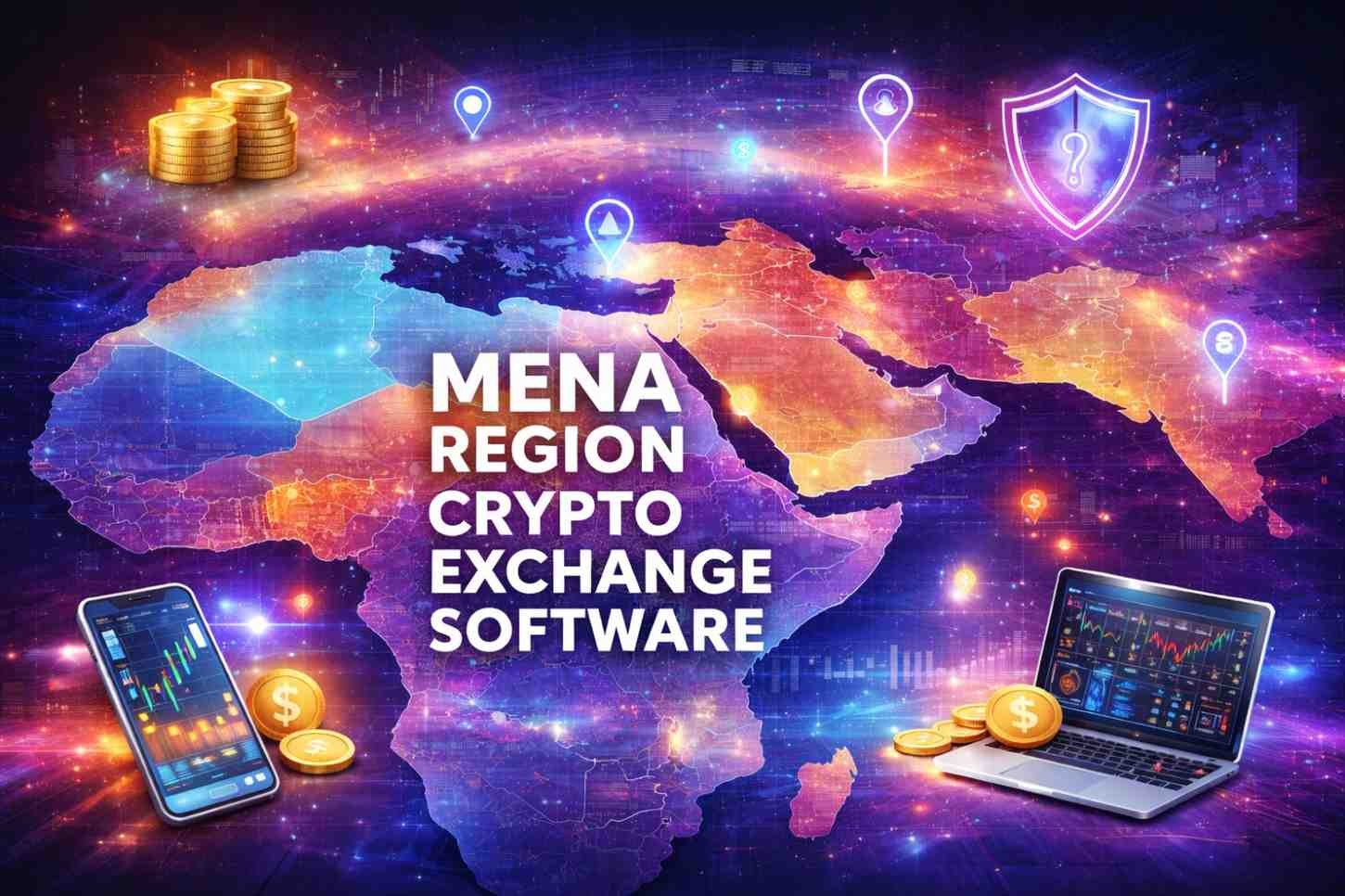
MENA Region Crypto Exchange Sogxftware is designed to support digital asset trading while aligning with the operational and regulatory environment of the Middle East and North Africa. It acts as the core system of an exchange, handling transactions, managing user accounts, enforcing security measures, and supporting compliance processes.
These platforms are built with regional considerations in mind. They often include localized payment integrations, support for multiple fiat currencies, and features that match regional trading behavior. This ensures smoother interactions between users and the platform while maintaining compatibility with local financial systems.
The primary goal is to create a system that operates efficiently within the region while meeting global standards for performance and security.
Why the MENA Region Is a Strategic Market for Crypto Exchanges?
The MENA region presents strong opportunities for crypto exchange growth. Increasing awareness of digital assets has encouraged more users to explore alternative financial options. At the same time, institutional participation is gradually strengthening the overall market structure.
Regulatory developments across several countries are also contributing to this growth. Clearer frameworks make it easier for businesses to operate within defined guidelines, reducing uncertainty and improving long-term planning. This structured environment allows exchanges to build with greater confidence.
In addition, the region’s expanding digital infrastructure and high mobile usage are supporting wider adoption. As access to financial technology improves, more users are entering the crypto space, creating consistent demand for reliable trading platforms.
MENA Crypto Market Overview
Growing Users → Retail participation rising fast
Institutional Flow → Steady market expansion
Regulations → More clarity and structure
Mobile Usage → High adoption across regions
Payment Access → Digital payments expanding
Strong base for scalable crypto exchanges
Key Benefits of MENA Region Crypto Exchange Software
- Faster launch with region-specific features already in place
- Built-in compliance support aligned with MENA regulations
- Smooth integration with local payment systems and fiat currencies
- Improved user trust through familiar transaction experiences
- Scalable infrastructure to handle increasing trading volumes
- Reduced the need for major modifications after deployment
- Performance optimized for regional user behavior
Types of Crypto Exchange Software Available
Centralized Exchange (CEX)
Centralized exchanges offer high liquidity, faster transactions, and controlled environments. They are suitable for businesses aiming to deliver a smooth and beginner-friendly trading experience.
Decentralized Exchange (DEX)
DEX platforms enable peer-to-peer trading without intermediaries. They prioritize transparency and user control, though they often require a more experienced user base.
Hybrid Exchange Models
Hybrid exchanges combine centralized efficiency with decentralized control. This model offers flexibility while maintaining performance and usability.
Must-Have Features in MENA Region Crypto Exchange Software
A well-rounded feature set supports both usability and operational strength.
High-Level Security Systems
Security measures such as encryption, multi-signature wallets, and continuous monitoring help protect user assets and sensitive data.
Liquidity Management Tools
Maintaining liquidity ensures consistent trading activity and stable pricing, improving overall market performance.
Multi-Currency & Fiat Support
Supporting both cryptocurrencies and local currencies increases accessibility and simplifies transactions for users.
User-Friendly Trading Interface
An intuitive interface improves usability, making it easier for users to navigate and complete transactions efficiently.
Admin Dashboard & Analytics
Real-time insights into platform activity allow operators to monitor performance and make informed decisions.
API & Third-Party Integrations
Flexible integration options support payment systems, liquidity providers, and additional services, enabling future expansion.
Compliance and Regulatory Considerations in MENA
Operating within regulatory guidelines is essential for long-term stability.
KYC & AML Requirements
Verification processes and transaction monitoring help maintain transparency and prevent misuse of the platform.
Regional Licensing Needs
Each country has specific licensing requirements. Understanding these early helps avoid delays and compliance issues.
Data Protection and Privacy Laws
Proper handling of user data ensures legal compliance and strengthens trust among users.
How to Choose the Right MENA Region Crypto Exchange Software
Define Your Business Goals
Clear objectives help determine the platform’s structure, features, and target audience.
Evaluate Security Standards
Strong security frameworks reduce risks and enhance platform reliability.
Check Scalability and Performance
The system should be capable of handling growth without affecting speed or stability.
Review Customization Options
Adaptability allows the platform to evolve with changing market conditions.
Assess Vendor Experience
Working with experienced providers reduces development challenges and improves outcomes.
Compare Cost vs Value
Focusing on long-term value ensures better returns compared to short-term cost savings.
Common Mistakes to Avoid When Selecting Exchange Software
Rushed decisions often lead to long-term issues.
● Ignoring compliance requirements
● Prioritizing cost over quality
● Overlooking user experience
● Choosing systems that cannot scale
Avoiding these early prevents unnecessary rebuilds.
Cost Factors and Budget Planning
Development vs White-Label Solutions
Custom development offers full control, while white-label solutions provide quicker deployment.
Maintenance and Upgrade Costs
Regular updates are necessary to maintain performance and security.
Hidden Operational Expenses
Infrastructure, compliance, and support services contribute to overall costs and should be planned in advance.
How MENA Region Crypto Exchange Software Supports Business Growth?
A strong exchange platform improves onboarding, simplifies operations, and enhances user engagement. By minimizing technical limitations, businesses can focus on expanding their services and reaching a wider audience.
As the platform grows, scalable systems ensure consistent performance, allowing businesses to manage increased activity without disruptions. This creates a stable environment for long-term development.
Future Trends in MENA Region Crypto Exchange Software
AI-Driven Trading Features
Advanced analytics and automation are improving trading efficiency and decision-making.
DeFi Integration
Decentralized finance is expanding platform capabilities with additional financial services.
Mobile-First Trading Platforms
With increasing mobile usage, platforms are prioritizing accessibility and ease of use across devices.
Conclusion
Long-term success in the MENA crypto market depends heavily on the foundation established during the initial stages. Platforms that overlook infrastructure, compliance, or scalability often face difficulties sustaining growth.
A well-developed exchange system provides stability, supports evolving regulations, and delivers a consistent user experience. It enables businesses to operate efficiently while building trust and credibility.
For those planning to enter the MENA market, careful planning and the right technology choices make a significant difference. A strong foundation not only reduces risks but also ensures the platform is ready to grow in a competitive and rapidly changing environment.