

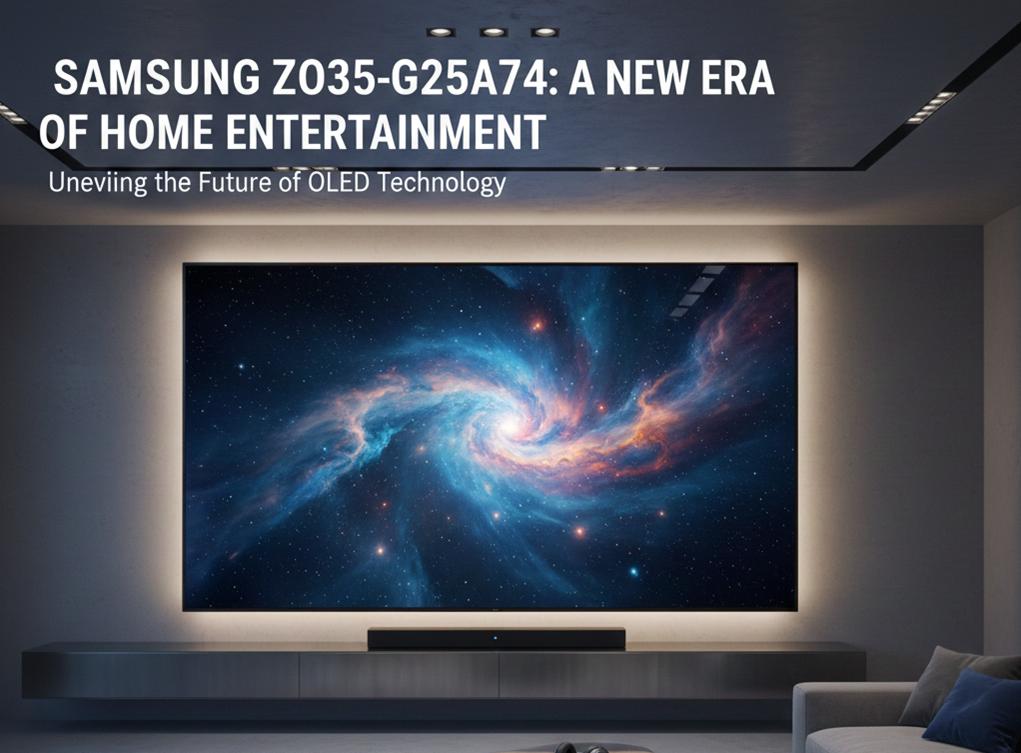
The Samsung ZO35-G25DA74 TV, launched in the 2021-2022 period, was a solid mid-range option from Samsung’s lineup. Originally priced between $600 and $800, it featured Quantum Dot technology marketed as QLED, along with competitive gaming capabilities for its time. By early 2026, this model shows its age but remains viable for basic use with some optimizations.
Model Breakdown
Samsung’s naming convention for the ZO35-G25DA74 reveals key details about its design and market positioning. The “ZO35” indicates it belongs to a 2021-2022 mid-range series, while “G25” points to screen sizes like 55-inch or 65-inch variants, primarily for North America and international markets. The “DA74” suffix specifies the exact SKU within that lineup.
This TV entered the market with Samsung’s Crystal Processor 4K for handling 4K content, HDR10+ support, and the Tizen smart platform from that era. It stood out for vibrant colors via Quantum Dot tech and edge-lit local dimming, making it a practical choice for everyday viewing and light gaming back then. Manufacturing occurred mainly in 2021-2022, positioning it as a reliable but non-premium option.
Core Specifications
The ZO35-G25DA74 boasts a QLED display enhanced by Quantum Dots for solid color reproduction, paired with a 60Hz native refresh rate and HDMI 2.0 ports. Brightness peaks at around 450-500 nits, with support for HDR10, HDR10+, and HLG formats, though it lacks Dolby Vision—a consistent Samsung choice.
| Feature | 2021 Specs | 2026 Perspective |
|---|---|---|
| Processor | Crystal Processor 4K | Lags behind modern AI processors |
| Refresh Rate | 60Hz native | Below 120Hz standard in budgets |
| HDMI Ports | 3x HDMI 2.0 | No 2.1 for advanced gaming |
| Brightness | 450-500 nits | Dimmer than current mid-ranges |
| Smart OS | Tizen 2021 | Multiple versions outdated |
| Dimming | Edge-lit basic | Full array now common |
Picture Quality Today
In 2026 testing and user feedback, the TV’s Quantum Dot panel delivers impressive color accuracy and decent black levels for an edge-lit design, with good upscaling for 1080p sources. Viewing angles exceed many peers from 2021, and build quality endures well over time.
However, expect 20-25% brightness degradation after 3-4 years, reducing HDR punch, alongside motion judder in 24p films and weaker performance in bright rooms. For modern streaming, it handles 4K SDR content adequately but falls short on dynamic highlights compared to newer panels.
Optimized settings boost results: Use Movie mode with Brightness/Contrast at 45, Sharpness at 0, and Warm2 color tone for Netflix or Disney+. Sports benefit from Standard mode and mild Auto Motion Plus tweaks.
Smart Features Update
Running Tizen 2021 (version 5.5-6.0), the platform received its last major update in early 2024 and security patches through Q2 2024. Core apps like Netflix, Prime Video, and Disney+ function, but newer 2025 services may be absent, and navigation feels sluggish.
Counter this with external devices: Apple TV 4K for seamless integration, Fire Stick 4K Max for value, or Roku Ultra for simplicity. Onboard tweaks include cache clearing, app disabling, and Ethernet use to improve speed.
Gaming Capabilities
For PS5 or Xbox Series X, it supports 4K at 60Hz with HDR10 and Auto Low Latency Mode (ALLM), yielding playable experiences in single-player titles. Input lag remains competitive at 14ms, but no 120Hz, VRR, or HDMI 2.1 limits next-gen fluidity.
PC gamers get 4K/60Hz max without FreeSync or G-Sync, suiting strategy games over esports. Recommended setup: Game Mode on, Motion Plus off, HDR enabled via console.
Reliability Insights
User reports show below-average failure rates for its age, with strong physical durability and few panel issues. Common glitches include Wi-Fi drops (fix via 5GHz or Ethernet), slow apps (external streamer), and minor backlight clouding—normal for edge-lit after years.
Remote woes resolve with fresh batteries or universals; repairs like main board swaps cost $200-300, often not worth it versus new TVs. Check usage hours via Settings > Support > Device Care for lifespan gauging.
Power and Sustainability
It draws 85-120 watts in use (annual cost $18-25) and 0.5 watts standby, meeting 2021 Energy Star but outdated by 2026 standards. Lifespan hits 6-8 years, with Samsung recycling available; prioritize repairs to minimize e-waste.
Modern Alternatives
Samsung successors like Q60D (120Hz, $699 for 55″) or Q70D (Mini-LED, $899) offer leaps in brightness and speed. Budget cross-brands: Hisense U6K ($399, Dolby Vision) or TCL Q6 ($449, Google TV).
| Upgrade Option | 55″ Price | Main Gains |
|---|---|---|
| Samsung Q60D | $699 | 120Hz, better processor |
| Hisense U6K | $399 | Mini-LED, value gaming |
| LG B3 OLED | $999 | Perfect blacks, 120Hz |
Buy used only under $250 with warranty, tested ports, and no defects. For owners, extend life via $50 streamer and soundbar; plan 2026-2027 replacement amid MicroLED and AI advances.
Final Verdict
Scoring 6.5/10 now, the ZO35-G25DA74 suits secondary rooms or budgets but upgrade for HDR, gaming, or speed. It excels in Samsung ecosystems with tweaks, delivering reliable service through 2027 for casual users.